

India’s Maritime Sector Sees Unprecedented Growth Under PM Modi’s Leadership
New Delhi : Over the past 11 years, India’s ports, shipping, and waterways sectors have undergone a historic transformation, positioning the nation as a rising maritime power on the global stage. Spearheaded by Prime Minister Narendra Modi’s vision for Viksit Bharat@2047, the Ministry of Ports, Shipping and Waterways has championed green shipping, multimodal logistics, and global maritime integration to modernize the sector.
Major Milestones in Port Development
The inauguration of the Vizhinjam International Deepwater Seaport in Kerala at a cost of ₹8,800 crore marks a landmark achievement. As India’s first dedicated container transshipment port, it is equipped to handle the world’s largest cargo vessels, aiming to drastically reduce the nation’s dependence on foreign ports.
Key infrastructure projects such as the New Dry Dock at Cochin Shipyard Limited and Asia’s largest International Ship Repair Facility are enhancing India’s shipbuilding and maintenance capabilities. Simultaneously, the Jal Marg Vikas Project is revolutionizing inland navigation along the Ganga, providing a cost-effective cargo transport alternative.
Megaprojects and Green Innovation
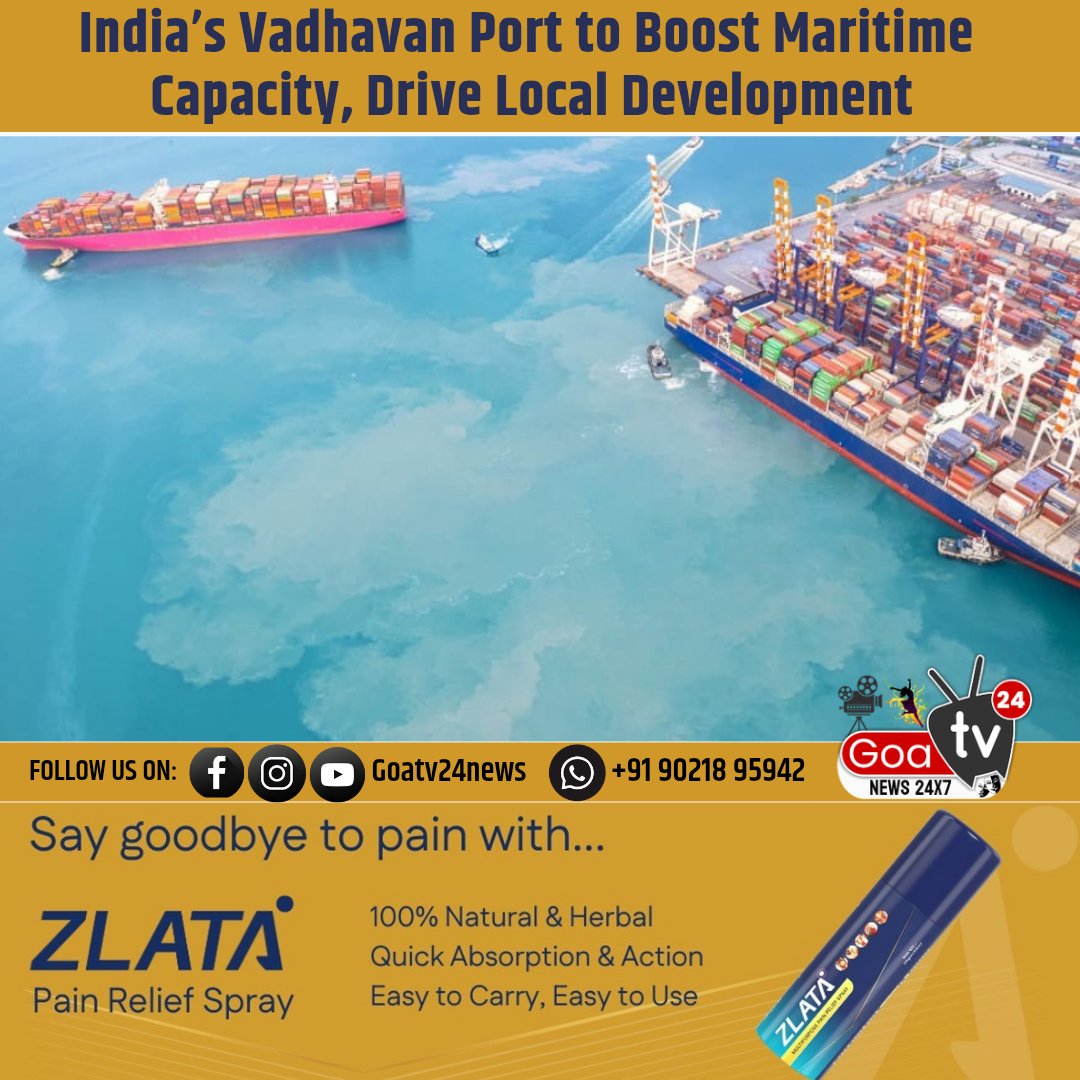
Several transformative ventures are currently underway, including the ₹76,000 crore Vadhvan Deep Draft Port, a new container terminal at Tuna Tekra (Gujarat), and the Western Dock Project at Paradip Port. The creation of green hydrogen hubs at Kandla, Tuticorin, and Paradip underlines the government’s commitment to sustainable energy and innovation.
The flagship Sagarmala Programme, launched in 2015, has now evolved into Sagarmala 2.0, with a projected investment of ₹12 lakh crore over the next decade. Supported by ₹40,000 crore in budgetary allocations, this initiative is driving port modernization, shipbuilding, and the creation of Coastal Economic Zones, generating employment and reducing logistics costs.
Green maritime initiatives such as Harit Sagar, Harit Nauka, and the Green Tug Transition Programme are promoting the use of alternative fuels and eco-friendly practices. The recently launched India–Singapore Green Shipping Corridor further strengthens India’s commitment to global climate goals.
Operational Excellence and Global Integration
India’s operational efficiency has seen a marked improvement with the introduction of the “One Nation One Port Process”, which has simplified documentation, reduced paperwork, and improved turnaround times. Between 2014 and 2025, India’s port capacity nearly doubled to 2,762 MMTPA, and cargo handling rose to 1,594 MMT. Vessel turnaround time decreased from 93 to 49 hours, while the annual net surplus soared from ₹1,026 crore to ₹9,352 crore.
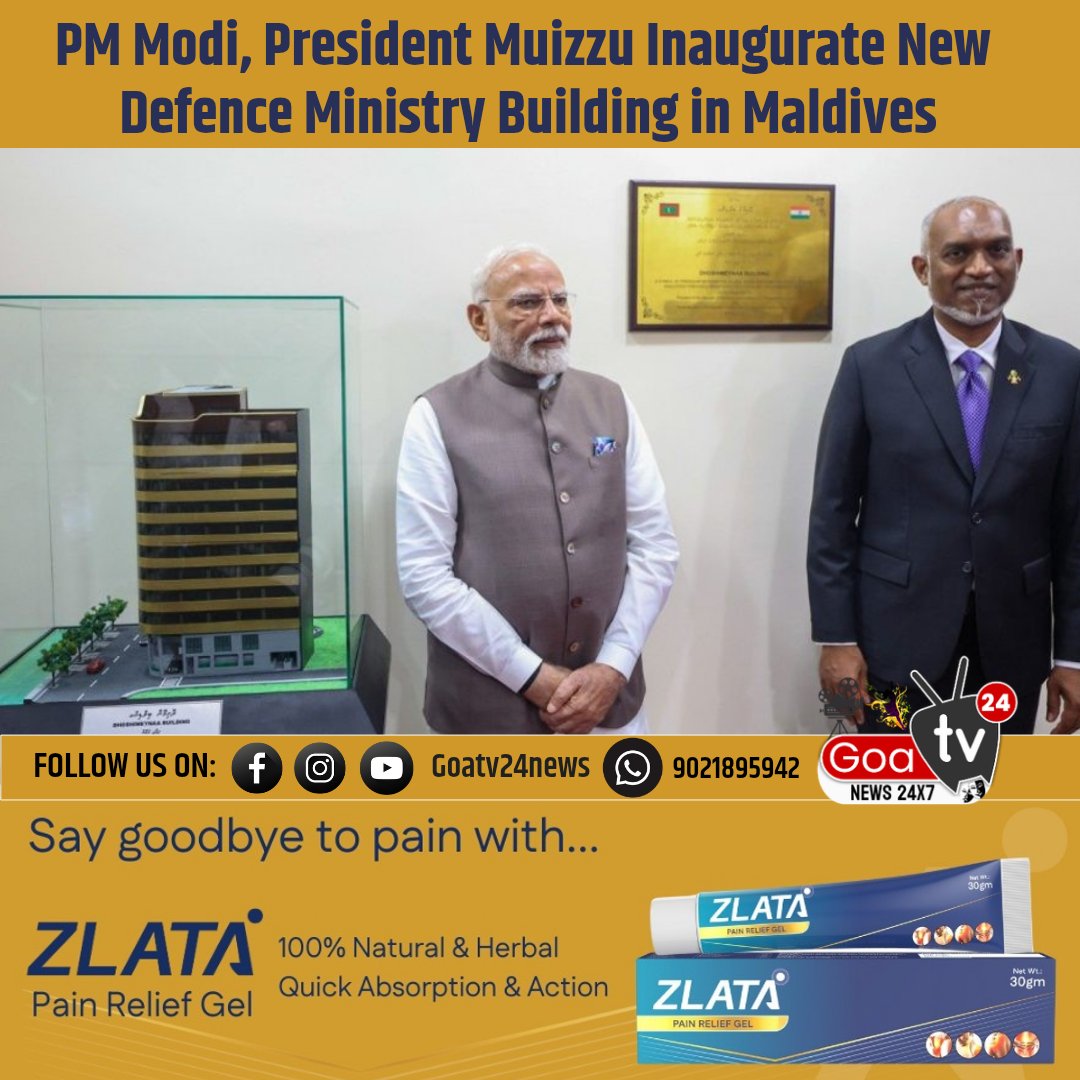
India’s shipping fleet also expanded to 1,549 Indian-flagged ships, and the country’s seafarer strength reached 3.2 lakh, with a remarkable tenfold rise in women seafarers. Coastal cargo volumes nearly doubled, and new maritime links were established with Sri Lanka and the Maldives.
Inland Waterways and Tourism Boom
Previously underutilized, India’s inland waterways now carry 146 MMT of cargo, a 710% increase since 2014. More than 7.5 crore ferry and Ro-Pax passengers have benefited from the enhanced infrastructure. The number of notified National Waterways increased from just 5 in 2013-14 to 111 by 2016. River cruises, such as the successful Ganga Vilas from Varanasi to Dibrugarh, and lighthouse tourism have emerged as booming sectors.
Cultural and Strategic Initiatives
India’s maritime growth also incorporates cultural heritage. The National Maritime Heritage Complex, including the world’s tallest Lighthouse Museum, is under construction. Meanwhile, revised Productivity Linked Reward Schemes are improving benefits for port workers.
On the global front, India has signed 21 maritime MoUs with countries including Norway, UAE, South Korea, and Bangladesh. A landmark 10-year agreement with Iran to operate the Shahid Beheshti Port at Chabahar has granted India strategic access to Central Asia. The India-Middle East-Europe Economic Corridor (IMEC), announced during India’s G20 presidency, is expected to reduce logistics costs by 30% and transit time by 40%, ushering in a new era of regional trade connectivity.
Conclusion
India’s rapid advancement in maritime infrastructure and logistics not only reflects a robust economic vision but also cements its position as a leader in regional and global maritime trade. With strategic investments, green initiatives, and technological innovation, India is well on its way to becoming a modern maritime powerhouse.